Tips for Selecting the Perfect General Contractor for Your Next Home Project
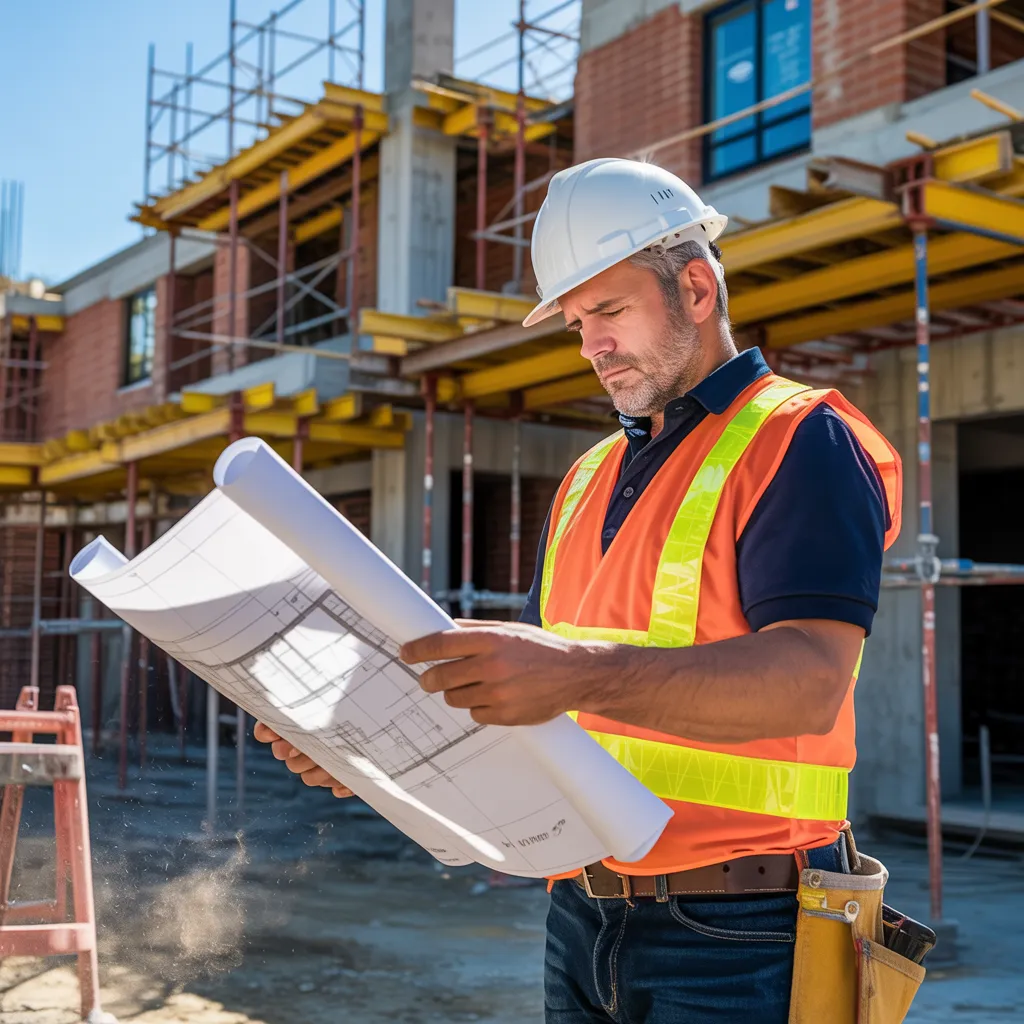
Picking the ideal building specialist for your home project is an important decision. It necessitates thoughtful review of different factors, including background, credentials, and people skills. Many property owners fail to consider critical factors, causing expensive problems. Discovering how to examine candidate contractors can have a major impact. Through prioritizing fundamental benchmarks and requesting answers to critical questions, you can tackle this challenging process with greater ease. What are the vital procedures to confirm a strong partnership?
How to Steer Clear Of Frequent Problems When Picking a Contractor
When engaging a builder, how can one navigate the countless of choices without falling into typical mistakes? Prospective clients frequently ignore key factors that can cause poor results. First, considering price alone can be unreliable; the cheapest offer may represent inferior quality or extra charges. Additionally, not looking at recommendations or internet ratings can result in hiring a contractor with a poor track record. It is also necessary to avoid selecting just by personality; a friendly professional may not be skilled or dependable. Moreover, not setting clear communication and goals can result in conflicts and unhappiness. Finally, not reviewing contracts thoroughly before signing can cause unforeseen responsibilities or inadequate safeguards. By being alert and aware, homeowners can make smarter decisions, finally achieving a positive result.
Ways to Assess a Contractor's Qualifications
When assessing a contractor's qualifications, several key factors are important. Relevant project experience, sector certifications, and an robust assortment of finished work indicate critical indicators of their proficiencies. Reviewing these components can provide valuable insights into the contractor compatibility for the particular project at hand.
Pertinent Project History
Recognizing a contractor's related experience is critical for securing the triumph of any building endeavor. Interested clients should evaluate the contractor's portfolio, focusing on completed projects similar in proportions and style to theirs. This entails examining the quality of craftsmanship, adherence to timelines, and expense management in former undertakings. Also, it is beneficial to question about the types of materials employed and the contractor's familiarity with local regulations and regulations. Testimonials and references from earlier clients can supply understanding into the contractor's reliability and people skills. In conclusion, a contractor with substantial applicable experience can handle challenges successfully, making sure the project achieves the homeowner's expectations and standards.
Sector Qualifications And Authorizations
Certification and permit requirements serve as critical markers of a contractor's professionalism and expertise in the construction industry. When choosing a general contractor, it is vital to confirm that they have the necessary licenses mandated by local and state regulations. These licenses show compliance with building codes and safety standards. Additionally, industry certifications, such as those from the National Association of Home Builders or similar organizations, reflect a contractor's dedication to quality and ongoing education. Contractors with specialized certifications may also possess skills in specific areas, such as green building or remodeling. Verifying that a contractor has the appropriate credentials not just enhances confidence in their capabilities but also reduces potential legal and financial risks during the project.
Portfolio Of Completed Work
A contractor's portfolio featuring completed projects acts as a key resource for assessing their expertise and skills. This selection should showcase a mix of projects, highlighting varied skills in different styles and complexities. When considering a portfolio, potential clients must look for high-quality photographs that accurately illustrate the workmanship involved. It is also beneficial to notice projects that match the homeowner's exact specifications or style choices. Attention to detail, innovative solutions, and adherence to timelines are critical indicators of a contractor’s skill. Additionally, client feedback or case studies in the portfolio can give deeper insights into the contractor's work ethic and trustworthiness. Ultimately, a comprehensive portfolio helps homeowners take knowledgeable decisions regarding their forthcoming projects.
How to authenticate Your Contractor Qualifications and Licenses
Begin by verifying a general contractor's credentials and licenses before hiring them, as this is essential to verify they satisfy industry standards. Begin by reviewing with local licensing boards to validate that the contractor holds the necessary licenses for your area and project type. Because each state has its own requirements, understanding these details will avoid future complications.
Moreover, investigate insurance options, encompassing liability and workers' compensation, to assure safeguarding against possible accidents or damages. Request references from previous clients and follow up to assess satisfaction and credibility.
Ultimately, inspect any certifications the contractor may obtain, as these often show specialized training and commitment to industry best practices. A detailed verification process not only guarantees compliance but also creates confidence in the contractor's ability to complete the project successfully.
Why Regular Communication Is Critical in Your Contractor Relationship
Communication that is strong serves an important role in the contractor-client relationship, shaping the project's success from the start. Clear conversation defines expectations, timelines, and budgets, ensuring both parties are in sync on the project's goals. When clients convey their vision effectively, contractors can provide informed suggestions and solutions, improving the overall result.
Consistent updates and open channels of dialogue allow speedy resolution of challenges as they emerge, reducing potential setbacks. Moreover, a vendor who heeds and responds to customer suggestions creates trust, which is essential for cooperation.
Additionally, strong interaction aids in handling modifications and unforeseen obstacles, keeping the project on schedule. It allows the contractor to adapt approaches based on customer feedback, guaranteeing approval during the entire project. Ultimately, prioritizing engagement not only solidifies the builder-customer relationship but also substantially contributes to the timely finishing of the home renovation.
Essential Inquiries to Pose Your Contractor in Initial Meetings
When meeting for the first time with a contractor, clients need to prioritize their credentials. It's necessary to ask about the project timeline and budget to guarantee alignment with the client's objectives. These questions form a foundation for a strong partnership and productive project management.
Experience and Credentials
Selecting a general contractor depends on knowing their experience and credentials. Homeowners should inquire about the contractor's time of experience and the kinds of jobs they have completed. Detailed inquiries regarding licenses, accreditations, and insurance are crucial, as these guarantee compliance with local regulations and provide security throughout the work. Additionally, reviewing past work through portfolios or recommendations can offer insight into the contractor's skill and dependability. It is also beneficial to ask about their experience with similar projects, as this can show their ability to handle specific challenges. Ultimately, evaluating a contractor's background and credentials builds trust and helps homeowners choose wisely for their home improvements.
Project Schedule and Expenditure
How can homeowners guarantee their undertaking remains on track financially and in terms of timing when consulting with a construction contractor? To preserve consistency, they should ask important questions during initial meetings. Property owners must inquire about the projected schedule for project completion and any potential delays that could occur. Understanding the contractor's approach to managing schedules is essential. Additionally, addressing the budget upfront is vital; property owners should obtain clear information on pricing estimates, payment plans, and any built-in contingency funds for unforeseen expenses. Inquiring into previous projects can offer understanding into the contractor's reliability in meeting deadlines and maintaining budget constraints. By establishing clear communication regarding schedules and budgets, homeowners can foster a productive relationship with their contractor, improving the likelihood of a successful project.
Advice on Checking References and Reading Reviews
What procedures should one undertake to guarantee a general contractor is dependable? First, it is essential to demand a list of references from potential contractors. A reputable contractor will promptly offer names and contact information of previous clients. One should call these references to learn about their experiences, focusing on aspects such as communication, quality of work, and adherence to timelines.
Also, studying online feedback on outlets like Google, Yelp, or Angie's List can contribute practical knowledge. It is imperative to find patterns in the reviews—uniform compliments or complaints can highlight trustworthiness or difficulties.
In addition, looking into any concerns filed with local licensing agencies or consumer advocacy groups can reveal a contractor's go now past performance. Finally, requesting recent project photos can help assess the excellence of their output. By implementing these measures, one can arrive at a more informed decision when hiring a contractor.
Understanding Contractor Pricing and Payment Terms
Homeowners should also acquaint themselves with regular payment practices. Most contractors need a deposit upfront, preceded by progress payments dependent on construction phases. It's important to go over these terms before signing a contract to prevent disagreements. Additionally, homeowners should inquire about potential additional costs, such as filing fees or unexpected repairs. Open exchange surrounding pricing and payment terms will build a genuine operational partnership, ultimately bringing about a successful project outcome. Grasping these elements enables homeowners the power to make sound decisions when selecting a general contractor.
Often Questioned Frequently Asked Questions
What is the timeline for completing this initiative?
The project duration tends to vary according to complexity and scope. In general, completion may require several weeks to months. Climate factors, material supply, and workforce resources can greatly impact when the project finishes.
What Happens if Unforeseen Issues Occur During Project Work?
If unforeseen problems occur during building, the contractor typically assesses the circumstances, communicates with the homeowner, and proposes remedies. Adjustments to the schedule and costs may be necessary, guaranteeing openness throughout the process.
Will My Project Need Permits or Inspections?
Most projects demand permits and inspections to ensure adherence with local building codes. It is essential to consult with a general contractor who comprehends these regulations, as they can manage the permitting process effectively.
How Do You Deal With Subcontractors and Financial Obligations?
A reputable general contractor manages sub-contractors by establishing explicit agreements specifying payment terms. They ensure prompt payment, keep open communication, and track subcontractor performance, promoting a collaborative environment that contributes to project success and efficiency.
What Are Your Guidelines Regarding Project Changes or Upgrades?
The contractor takes a flexible approach toward project changes, requiring documented proof for any additions. They guarantee explicit dialogue, assess financial effects, and adjust timelines as appropriate to accommodate the client's evolving needs and preferences.